
The final verdict is given, and the legal battle is officially over. But is it so? After a court case, the first struggle an individual or a business may face is a damaged reputation. If the court record goes viral online even after your case is dismissed or resolved, the severity of the damage can be greater. Winning in the courtroom doesn’t mean regaining the public trust that you’ve lost. Effective online reputation recovery strategies can help you successfully rebuild trust and a positive reputation after a legal dispute.
According to a 2026 Review42 study, Google processes more than 5 trillion searches a year and 13.7 billion searches a day. Now you can imagine how much damage an outdated court record surfacing on Google can cause.
A damaged reputation after a court case is not permanent; with the right approach, you can transform the online narrative and restore your online reputation. We’re here to help you with proven online reputation repair strategies. Scroll through the blog to learn the 5 best strategies for reputation repair after a court case.
Top 5 Online Reputation Recovery Strategies to Implement After a Court Case
Struggling with your online reputation after a legal dispute is quite common and extremely overwhelming.
When an outdated court record dominates search results when someone searches for your name online, it determines how your stakeholders and the general public trust you or your business. A lingering negative court record can appear on Google even after the case is resolved or dismissed. This can severely damage your digital reputation.
Hiring tailored Google search result removal services can be an option, though!
However, don’t worry! We have come up with 5 proven reputation recovery strategies for individuals and businesses to rebuild their online reputation after a court case. Scroll through the list and choose the strategy that will help you the most to take back control of your digital narrative.
Strategy 1: Address the Situation with Transparent Communication
Hiring professional online court record removal services can help you successfully remove or suppress a court record on Google search result pages. But what about the aftermath consequences?
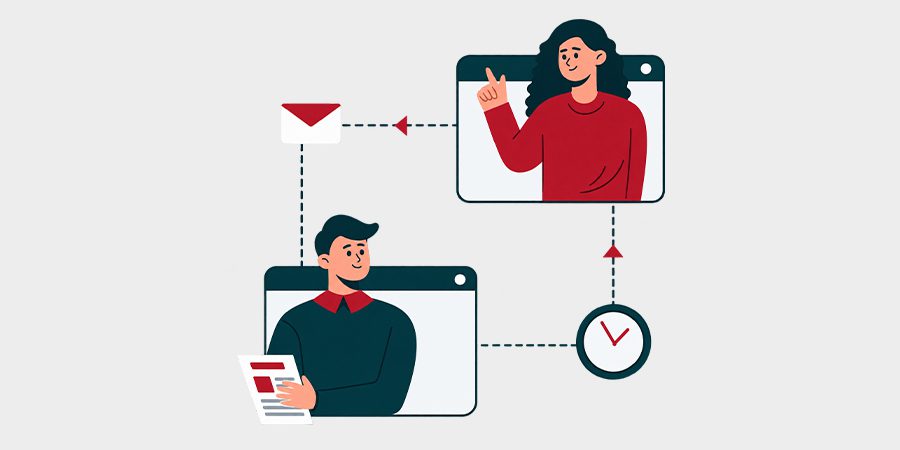
An individual or a business can face major reputational damage if their court record goes viral across the internet. That’s where online reputation repair strategies come in. After your court case is resolved or dismissed, the first thing you can do is address the situation well to ensure transparent communication with your audience.
What not to do? You should never stay silent after your court record goes viral online. Your silence may leave room for more speculation among the public. On the other hand, you should not choose to argue defensively, as it can lead to long-term conflict.
What is the best option? Effective reputation recovery strategies require you to ensure factual communication to establish a single source of truth.
How to Address the Situation After a Court Case?
Step 1: Firstly, you need to confirm every public statement against your court records, settlement terms, and confidentiality agreements. This will ensure that you don’t inadvertently violate orders.
Step 2: Then, it’s time to organise the updates around your accountability regarding your speech, actions, transparency, and learning. You must use a structured message framework for this.
Step 3: Publishing a calm and factual update on your official website (if you have one) or through a news publication can be a great strategy for reputation repair after a court case. For this, you need to share aligned summaries and relevant channels, so that your stakeholders can see consistent information about you or your business.
If the case is dismissed: You can convey the resolution and thank your clients or business partners who remained by your side during that tough time. You can pivot quickly to your ongoing work.
If the case is settled: In this situation, you must directly acknowledge the issue without blaming anyone. Additionally, you must state what has changed and avoid debating every single thing surfacing online.
Strategy 2: Strengthen Your Digital Reputation Through Strategic Content Management

Online search results about a court case often appear as outdated filings, incomplete summaries, or headlines. Individuals and businesses must implement a deliberate content strategy to make accurate and updated information about the court case appear in search results.
When implementing online reputation recovery strategies, businesses must prioritise utilising the power of content to represent their work. Here’s how you can strengthen your online reputation through personalised content:
Step 1: Firstly, you must search for your name or business name on Google, news tabs, and various business directories. This technique helps you see what appears first on Google.
Step 2: Now you must craft and publish personalised content, including blogs, articles, practical guides, and case studies across your website and high-authority online profiles.
Step 3: Every piece of content you publish must be SEO-optimised. When optimising the content, you need to implement relevant keywords in your page titles, meta tags, and headers accurate and updated. This will help the search engines understand your content’s current context.
Step 4: You can create resources related to your core expertise and the areas where most of your stakeholders look for reliability, such as governance practices and updated service standards.
Strategy 3: Rebuild Public Trust Through Consistent Actions & Accountability

When your court case record goes viral online, you must ensure that all your public statements are clear and consistent. It opens the door for you to rebuild trust. However, your repeated and verifiable behaviour can sometimes be questionable.
Your stakeholders need proof that you have learnt a lesson from the court case and have applied it in your day-to-day operations. Your consistent actions and accountability are the only way you can rebuild public trust. Effective reputation recovery strategies require you to ensure taking actions aligned to your trust-building and reputation repair goals.
Step 1: Individuals and businesses must review the operational and compliance gaps that have significantly contributed to the legal dispute. Don’t forget to document the concrete process improvements.
Step 2: Try to fulfil your smaller commitments first to rebuild confidence. You can start by hitting deadlines and communicating in advance if there is any delay.
Step 3: For successful reputation repair after a court case, you need to perform detailed audits and quality checks of your online content and structured client feedback. Never consider scrutiny an attack on your online presence.
Step 4: Always communicate your periodic progress updates, including your operational notes and service-level commitments.
A Note to Remember! Always remember, trust grows from your measurable actions, not from too many false promises.
Strategy 4: Leverage Positive Media Coverage & Credible Third-Party Endorsements

Do you know that third-party validation carries more weight than promoting your innocence?
Yes, you’ve heard that right! Positive media coverage and authoritative third-party endorsement can benefit your online reputation after a court case. Effective online reputation repair strategies help you build interpersonal relationships with authoritative media houses before you seek positive coverage from them.
Here are certain steps to earn credible media coverage after a court case.
Step 1: Firstly, you need to pitch to popular journalists, industry podcast hosts, and trade publications to earn positive media coverage. This can help you earn opportunities to attend podcasts on topics like sector trends, community initiatives, and regulatory or operational issues. Professional online news removal services can help you successfully take down a damaging news article containing your court record.
Step 2: No matter whether you own a large enterprise or are a small business owner, you must share authentic customer reviews and completed project outcomes. It’s also important to promote your long-term client relationships to showcase your performance.
Step 3: Ensure that you have active participation in high-authority industry groups and advisory boards, along with community programs. It will help you reinforce your personal and brand credibility through peers.
Step 4: Always focus on credibility more than volume when it comes to media features. Publishing too many articles is not a solution! One single thoughtful feature in a high-authority media publication or trade outlet often drives more trust and surface-level publicity. Detailed endorsements from your long-term client must be included in your reputation recovery strategies.
Strategy 5: Monitor Online Sentiment to Maintain a Long-Term Positive Reputation

Your online reputation recovery is an ongoing discipline; you cannot expect it to be a one-week campaign. You need to put in constant effort and prioritise continuous monitoring to identify emerging concerns early. It also helps keep your narrative steady in front of your target audience.
A Checklist for Online Sentiment Analysis –
Step 1: Individuals must start tracking their online mentions, such as their name, brand name, and executives. This will help you identify any other online content about your court case. Don’t forget to search across multiple sections of the online landscape, such as news, social media platforms, search engine results pages, and review sites.
Step 2: If there is any content, mention, or comment regarding your court case, you must address it promptly and politely. However, you should avoid engaging in public arguments with negative commenters or social media trolls.
Step 3: Proactive reputation recovery strategies require you to escalate the defamatory issues if any false or legally improper content about your court case appears online. You can seek legal assistance from legal counsel and platform channels to proceed with complete removal or correction.
Step 4: Lastly, you need to track your brand’s or your personal online search visibility and your online sentiment trends on a monthly and quarterly basis.
Why Is Reputation Recovery Non-Negotiable After a Court Case?
Online reputation recovery strategies are non-negotiable for individuals and businesses struggling with a damaged online image after a court case. Till now, we have talked about how you can implement strategies for successful reputation repair after a court case.
In this section, we will discuss why you must prioritise your reputation recovery after a legal dispute. Let’s check out the reasons.
- The “Court of Public Opinion” Never Closes
The general public often judges a person or a situation based on their emotions and perception. A majority of them are not even aware of the legal rules. Even after a verdict in your favour or a resolved case, the public may have the past impression they formed during your court case. Thus, it’s important to prove the headlines wrong and clear the online rumours by providing accurate information.
- Legal Victory Doesn’t Build Automatic Trust
When you win a case, it means that you have met the legal standards. It doesn’t mean that you have automatically rebuilt the trust you lost during the court case. To prove that you’re trustworthy, you need to implement online reputation repair strategies to maintain communication transparency and showcase your accountability.
- It Protects You from Financial & Career Damage
You can also hire personal information removal services, as most of the court records contain your personal and identifiable details. A court case can lead to lingering doubts and cost you long-term clients and even job offers. Implementing proactive online reputation recovery strategies is crucial for individuals and businesses, as they often protect them from financial and career damage.
- It Prevents Misinformation Surfacing Online
If your court record is outdated and contains harmful information about your personal or professional life, it may misinform the general public and even the search engines. Outdated court records, one-sided media coverage, or false online narratives can easily resurface across the internet. Effective reputation recovery techniques allow you to publish clear and accurate facts about your current legal standing, preventing the misleading stories from defining your reputation.
- The “Google Effect” Outlasts the Verdict
Online search results containing your outdated court record are more likely to preserve accusations and critical case details even years after the case resolves. Google or other search engines are the places that keep every single piece of content that has once appeared on them. You need reputation recovery strategies to ensure updated and accurate information about your present reputation and positive transformation after the court case rank ahead of those old Google links.
Conclusion
A court verdict may mark the end of a legal battle, but not the end of your story. Public records often hold the facts of your past. After a court case, struggling with a damaged reputation is quite normal. However, your strategic approach to implementing online reputation recovery strategies holds the power to shape the future.
We hope that our online reputation repair strategy plan helps you rebuild your public trust that you lost after a court case.
Still confused? You can prioritise hiring a professional online content removal agency to earn back your old, positive reputation and strong online positioning.
FAQs
Here are some frequently asked questions and answers related to online reputation repair strategies to rebuild a strong digital image after a court case.
- How long does it take to rebuild a reputation after a court case?
Ans. Rebuilding your online reputation after a court case is quite difficult, as it requires consistent effort and a strategic approach. It can typically take several months to almost a year. However, it depends on the severity of the case and how actively you’re implementing the reputation recovery strategies.
- How can professional online reputation management services help after a court case?
Ans. Professional online reputation management services can help individuals and businesses audit their search results and suppress negative media coverage with expert assistance. Professional experts can help you build accurate and trustworthy information across Google and AI platforms after a court case. Most agencies have robust teams with proven experience in monitoring online sentiment and requesting complete takedown of damaging court records from the publisher’s site.
- Is an apology or statement of regret enough on its own to recover a reputation after a court case?
Ans. No, it’s not. An apology statement can offer you opportunities to recover your online reputation. But your target audiences always look for sustained and concrete action from your end after a court case. You shouldn’t just promise things; rather, try to prove your behavioural or operational changes through actions.
- Why is transparency important when rebuilding a reputation after a court case?
Ans. Transparency plays a big role in strengthening your communication after a court case. When you maintain utmost transparency through communication with your audience, it reduces speculation and rebuilds stakeholder trust. To maintain transparency, you can acknowledge what happened, share verified facts, and show your step-by-step action plan for the future to resolve the situation.
- Is it better to stay silent online during reputation recovery after a court case?
Ans. No, staying silent may validate negative claims about your court records. It’s not ideal for long-term reputation recovery as it leaves room for speculation. However, you shouldn’t rush out an inaccurate statement in a hurry. You must focus on thoughtful and accurate engagement to show the positive transformation you or your business have gone through after the court case.

